1. The Four Options at a Glance
| Option | What it is | Typical long‑term return (historic) | Risk level | Monthly income? | Liquidity |
|---|---|---|---|---|---|
| Rental property | Buy‑to‑let apartment (assume cash purchase) | Gross yield 8‑12% + capital growth | Medium | Yes (rent) | Low |
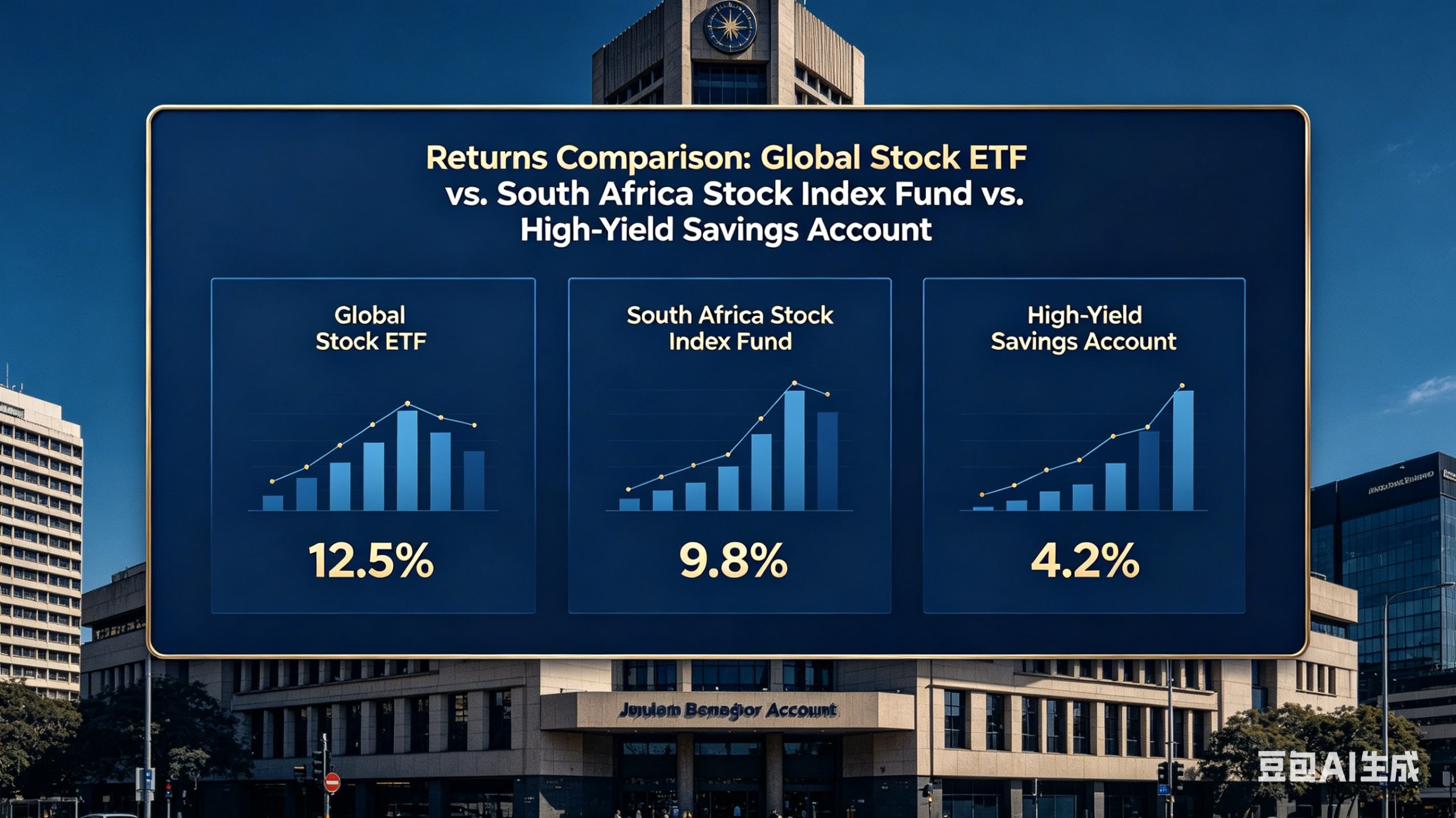
| Global ETF | Low‑cost index fund (e.g. MSCI World) | 7‑9% p.a. (historic) | Medium‑high | No (unless sold) | High |
| Local JSE ETF | FTSE/JSE Top 40 or All Share | 7‑8% p.a. (historic) | Medium | Dividend yield ~3‑4% p.a. | High |
| High‑yield savings | Notice or call account (e.g. TymeBank, African Bank) | 6‑7% p.a. (pre‑tax) | Very low | Yes (interest) | High |
⚠️ All returns are estimates. Past performance does not guarantee future results.

2. Detailed Breakdown of Each Option
🏠 Rental property (assume you buy a small apartment for cash)
Let’s say you use most of your lump sum to buy a small apartment in a good area (e.g. Sandton, Midrand, Hatfield). For illustration we use R1,000,000 – the proportions work the same for any amount.
Typical 2026 numbers:
- Gross monthly rent: ~0.8‑1% of purchase price
- Net monthly income after levies, rates, maintenance, management: ~0.6‑0.75% of purchase price
- Net annual cash flow: ~7‑9% of purchase price
- Capital growth (conservative): 4‑5% per year
10‑year estimate (based on R1,000,000 example):
- Net rental income: ~R800,000
- Property value growth: R1,000,000 → ~R1,550,000
- Total benefit: ~R2.35 million (cash flow + appreciation)
Pros: steady monthly cash flow, tangible asset, inflation hedge.
Cons: tenant risk, maintenance, illiquid, concentrated risk.
🌍 Global ETF (e.g. MSCI World, S&P 500)
Buy a low‑cost ETF that holds thousands of companies across developed markets. Available via EasyEquities, Sygnia, Satrix.
Conservative long‑term return assumption: 8% p.a.
10‑year estimate (R1,000,000 example):
- R1,000,000 → ~R2,158,000
- No monthly cash flow unless you sell units.
Pros: highly liquid, globally diversified, no landlord hassle.
Cons: price volatility, no regular income, currency risk.
🇿🇦 Local JSE ETF (e.g. Satrix Top 40, Coreshares)
Own the biggest South African companies (Naspers, Prosus, banks, miners, retailers).
Conservative long‑term return assumption: 7.5% p.a.
Dividend yield: ~3‑4% paid out annually.
10‑year estimate (R1,000,000 example):
- R1,000,000 → ~R2,060,000
- Annual dividends (if not reinvested): ~R30,000 – R40,000 pre‑tax
Pros: no currency risk, local expertise, easy to understand.
Cons: tied to SA economy, political risk, often lower long‑term growth than global.
🏦 High‑yield savings account
Easy‑access or notice accounts. Examples: TymeBank GoalSave, African Bank, Nedbank.
2026 rates: 6‑7% p.a. pre‑tax.
10‑year estimate (R1,000,000 example, 6.5% pre‑tax, 30% marginal tax rate):
- After‑tax annual interest: ~R45,000 – R50,000
- 10‑year cumulative after‑tax interest: ~R450,000 – R500,000
- Final value: ~R1.5 million (principal + interest)
Pros: extremely safe (deposit insurance up to R100k per bank), very liquid.
Cons: low real return after inflation and tax, no growth potential.
3. The 10‑Year Gap: Side‑by‑Side (R1,000,000 example)
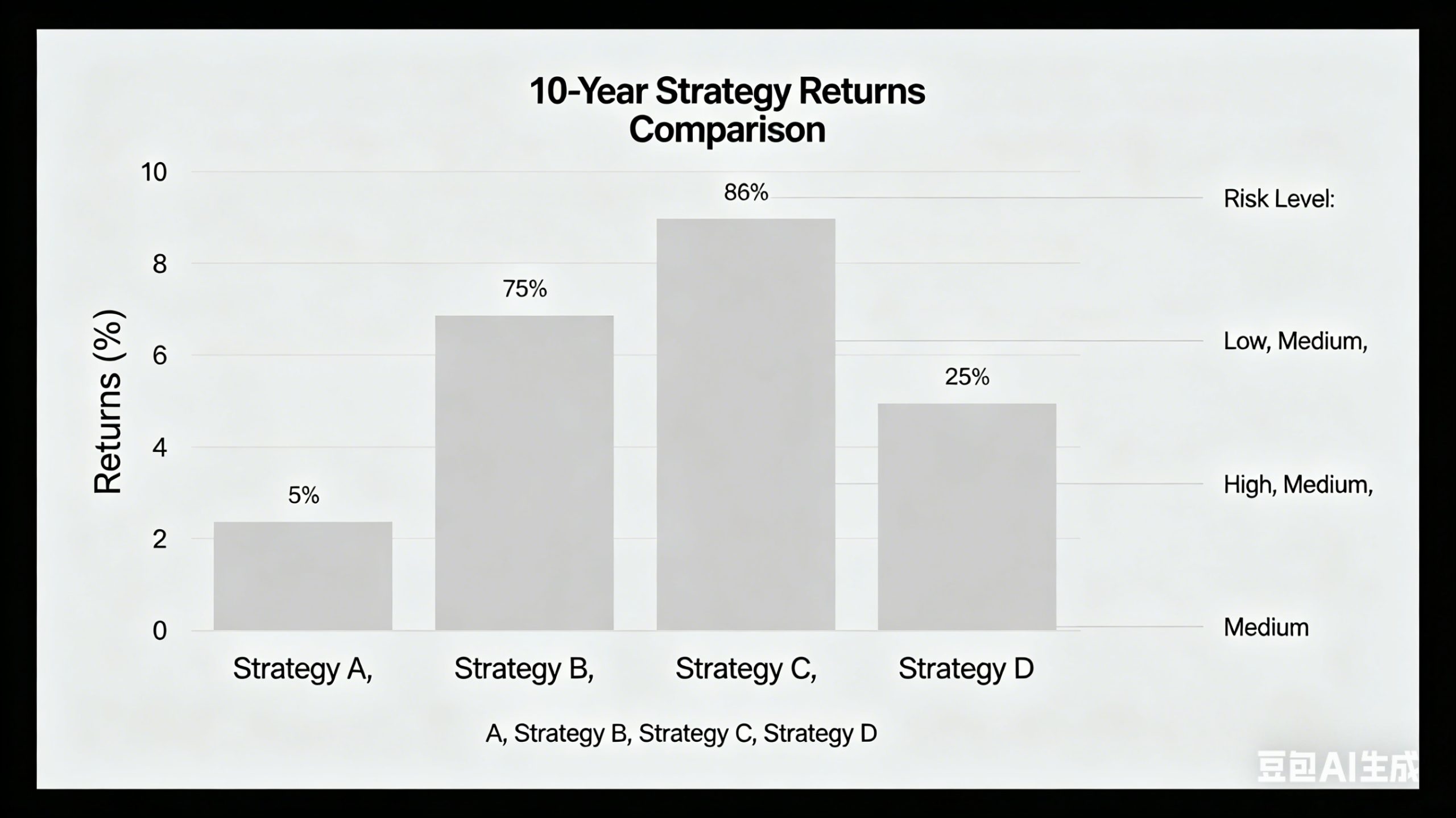
| Option | Estimated total value after 10 years | Average monthly cash flow (pre‑tax) | Risk level |
|---|---|---|---|
| Rental property (cash) | ~R2.35 million | ~R6,800 | Medium |
| Global ETF (8% p.a.) | ~R2.16 million | None | Medium‑high |
| Local JSE ETF (7.5% p.a.) | ~R2.06 million | ~R3,000 (dividends) | Medium |
| High‑yield savings (6.5% pre‑tax) | ~R1.50 million | ~R4,000 (after tax) | Very low |
📊 Rental property total includes your original capital (the property itself). ETF values assume all dividends reinvested.
4. Six Real Factors That Should Drive Your Decision
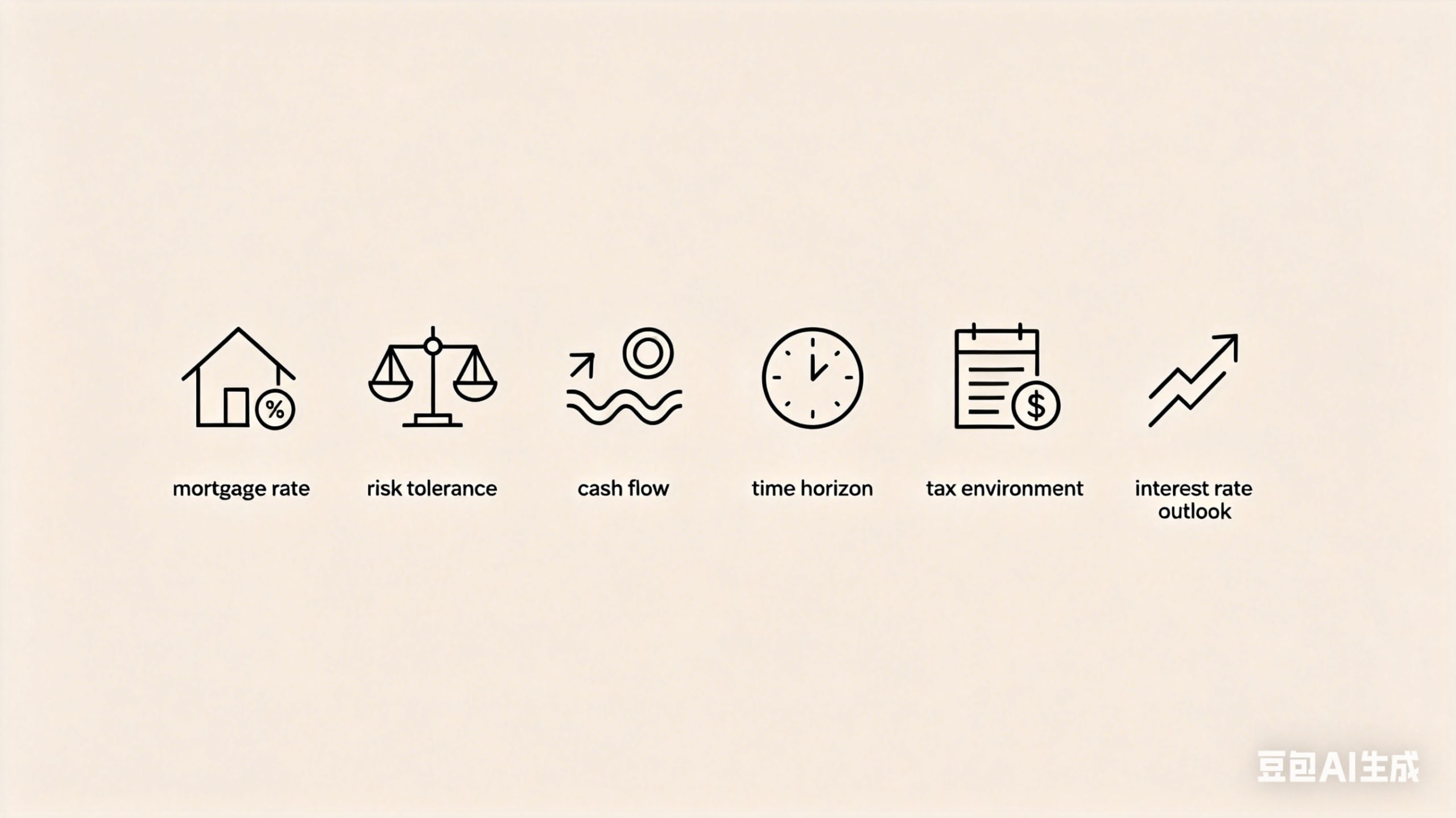
- Do you need monthly cash flow now?Yes → rental property or high‑yield savings.No → ETFs (let it compound).
- Can you handle price drops?A 20‑30% fall would make you sell → avoid global/local ETFs.You can ignore the noise → ETFs are fine.
- How soon will you need the money?Under 5 years → savings account (or very safe bonds).10+ years → rental property or ETFs.
- Do you want to be a landlord?Fixing geysers, chasing tenants, dealing with vacancies – if that sounds awful, skip property.
- Currency worry?You believe the rand will weaken long‑term → global ETFs give offshore exposure.You prefer everything in rands → local JSE or property.
- Tax awarenessSavings interest: first R34,500 , then taxed at marginal rate.Rental income: fully taxable at marginal rate.Capital gains (selling property or ETFs): 40% of gain taxed, with R40,000 annual exemption.
5. Three Investor Profiles – Which One Looks Like You?
| Profile | Recommended mix | Why |
|---|---|---|
| Young saver, long horizon, wants growth | 70% global ETF / 20% local ETF / 10% high‑yield savings | Maximise compounding, ignore short‑term drops, keep a small safety net. |
| Needs extra monthly income (e.g. semi‑retired) | 60% rental property / 40% high‑yield savings | Regular cash flow from rent and interest, low stress. |
| Balanced, moderate risk | 40% global ETF / 30% rental property / 30% high‑yield savings | Cash flow + growth + safety – a true “all‑weather” mix. |

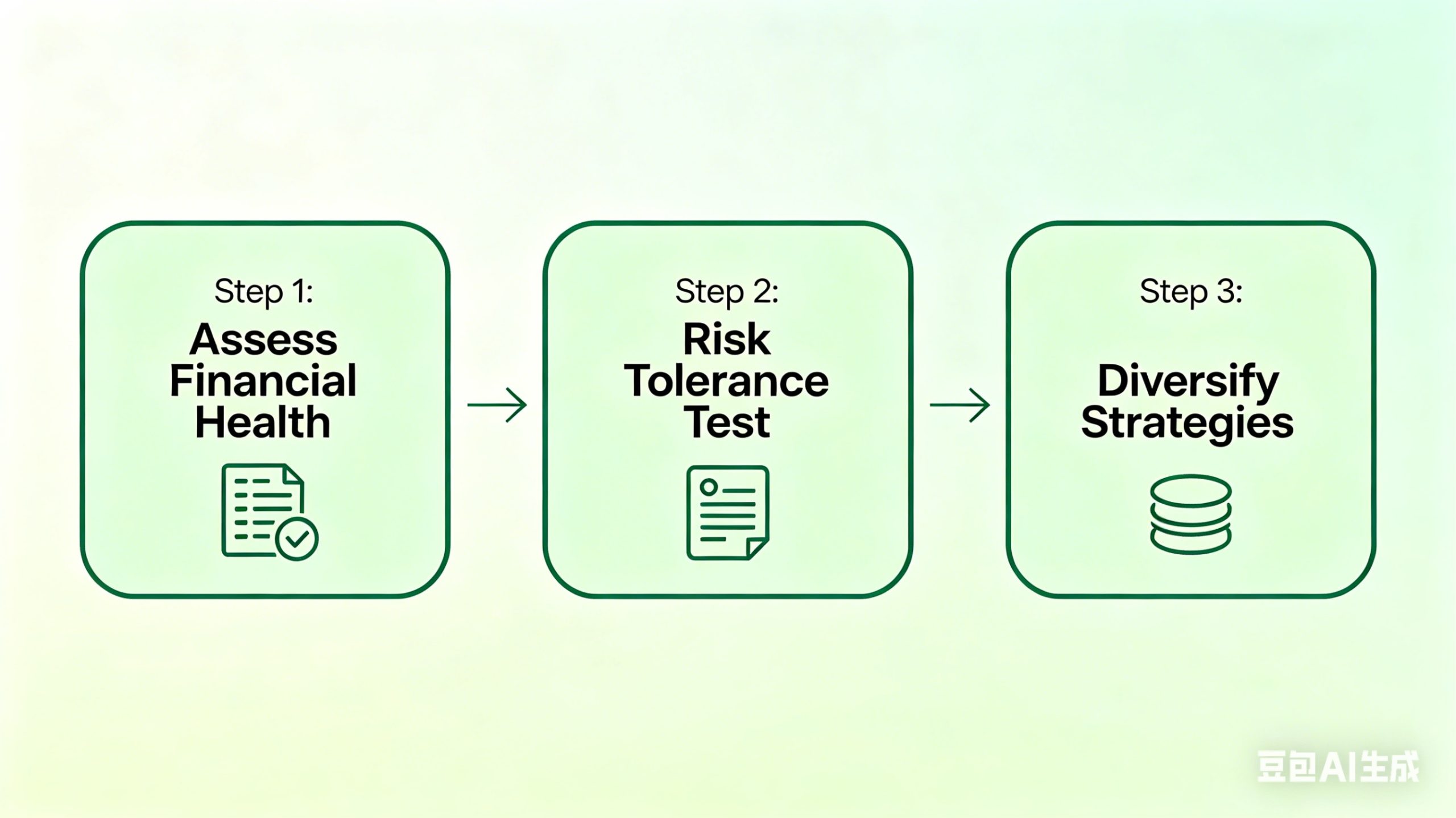
6. Your Action Plan – Three Simple Steps
Step 1 – Build your emergency fund first
Before any investment, keep 6‑12 months of living expenses in a high‑yield savings account.
Step 2 – Be clear about what you want from this lump sum
Write down:
- “I need monthly cash flow” OR “I can leave it untouched for years”
- “I hate risk” OR “I can accept ups and downs”
- “I want a physical asset” OR “I prefer digital investments”
Step 3 – Don’t go all‑in on one option – split it up
Example (balanced mix, assuming R1,000,000 total):
- 🏠 R350,000 – deposit for a rental property (finance the rest with a bond)
- 🌍 R350,000 – global ETF
- 🇿🇦 R150,000 – local JSE ETF
- 🏦 R150,000 – high‑yield savings
This way you get monthly rental income, long‑term stock growth, local dividends and safe cash.
7. Bottom Line: No “Best” – Only “Best for You”
The four options are not enemies. They are different tools for different jobs.
- Savings for money you will need within 5 years.
- Rental property if you want monthly cash flow and don’t mind being a landlord.
- Global ETFs for long‑term, hands‑off growth.
- Local ETFs for dividends and local market exposure.
The calculator at the top will give you a starting point. You can adjust over time as your life changes.
Your lump sum can work harder when you know what you really want. The numbers are here – now go make your own decision.
8. Final Takeaway: Personal Finance is Personal
Paying down debt and investing are not enemies. They are different tools in your financial toolbox.
- Choose prepaying if your priority is reducing fixed monthly costs, lowering risk, and you value certainty over higher possible returns.
- Choose investing if you have a long time horizon, can tolerate short‑term market drops, and want to harness the power of compound growth.
The South African rand slowly loses purchasing power over time. Historically, productive assets like equities have been the only reliable way to stay ahead of inflation – but no asset class goes up every year. The right decision is the one that lets you sleep well at night while still moving you toward your financial goals.