1. The “Buy a Rental Property” Case: Cash Flow and Capital Growth
Buying a residential property to rent out is a classic South African investment. You get monthly rental income plus the chance of long‑term capital appreciation. Many investors swear by bricks and mortar because it feels tangible and you can see it.
What could R1 million buy you in 2026?
| City / Area | Property type | Estimated purchase price | Gross rental yield | Monthly rent (approx.) |
|---|---|---|---|---|
| Johannesburg (Sandton) | 1‑bed apartment | R1,000,000 | 10‑12% | R8,500 – R10,000 |
| Pretoria (Hatfield) | Studio (student) | R620,000 | 11‑12% | R5,800 – R6,200 |
| Cape Town (CBD) | Small studio | R1,100,000 | 8‑9% | R7,500 – R8,500 |
| Durban (Glenwood) | 1‑bed apartment | R850,000 | 9‑10% | R6,500 – R7,500 |
Note: yields are gross (before costs like rates, levies, maintenance, vacancy).
Let’s run the numbers for a R1 million apartment in a good area (e.g. Sandton or Midrand).
| Item | Amount (per year) |
|---|---|
| Gross rental income (90% occupancy) | R108,000 |
| Less: levies & municipal rates | –R12,000 |
| Less: maintenance (5% of gross rent) | –R5,400 |
| Less: property management fee (8% of gross rent) | –R8,600 |
| Net annual cash flow | R82,000 |
| Monthly net cash flow | R6,800 |
Over 10 years (assuming no rent increase, just to be conservative):
- Net rental income: R820,000
- Plus likely capital growth (say 4‑5% per year on the property value): the R1,000,000 property could be worth around R1,480,000 – R1,630,000 after 10 years.
- Total value created ~R2.3 – R2.45 million (cash flow + appreciation).
Advantages of the rental property path:
- ✅ You get regular monthly cash flow
- ✅ Tangible asset you can visit
- ✅ Historically, property has been a good inflation hedge
- ✅ You can use leverage (mortgage) to buy more than one
Disadvantages:
- ❌ Tenants can default or damage the property
- ❌ Costs (levies, maintenance, rates) are unavoidable
- ❌ Selling takes time and money (estate agent fees, transfer duty)
- ❌ Your money is locked in one single asset
⚠️ Important: The numbers above assume you buy with cash. If you use a mortgage, your net cash flow will be lower because you have to pay interest, but you could buy multiple properties with the same R1 million.

2. The “Invest in Global Markets” Case: Harnessing Compound Growth
Instead of buying a rental property, you could put the R1,000,000 into low‑cost global index funds (ETFs). This means owning tiny slices of thousands of companies around the world – from Apple and Nvidia to Nestlé and Toyota.
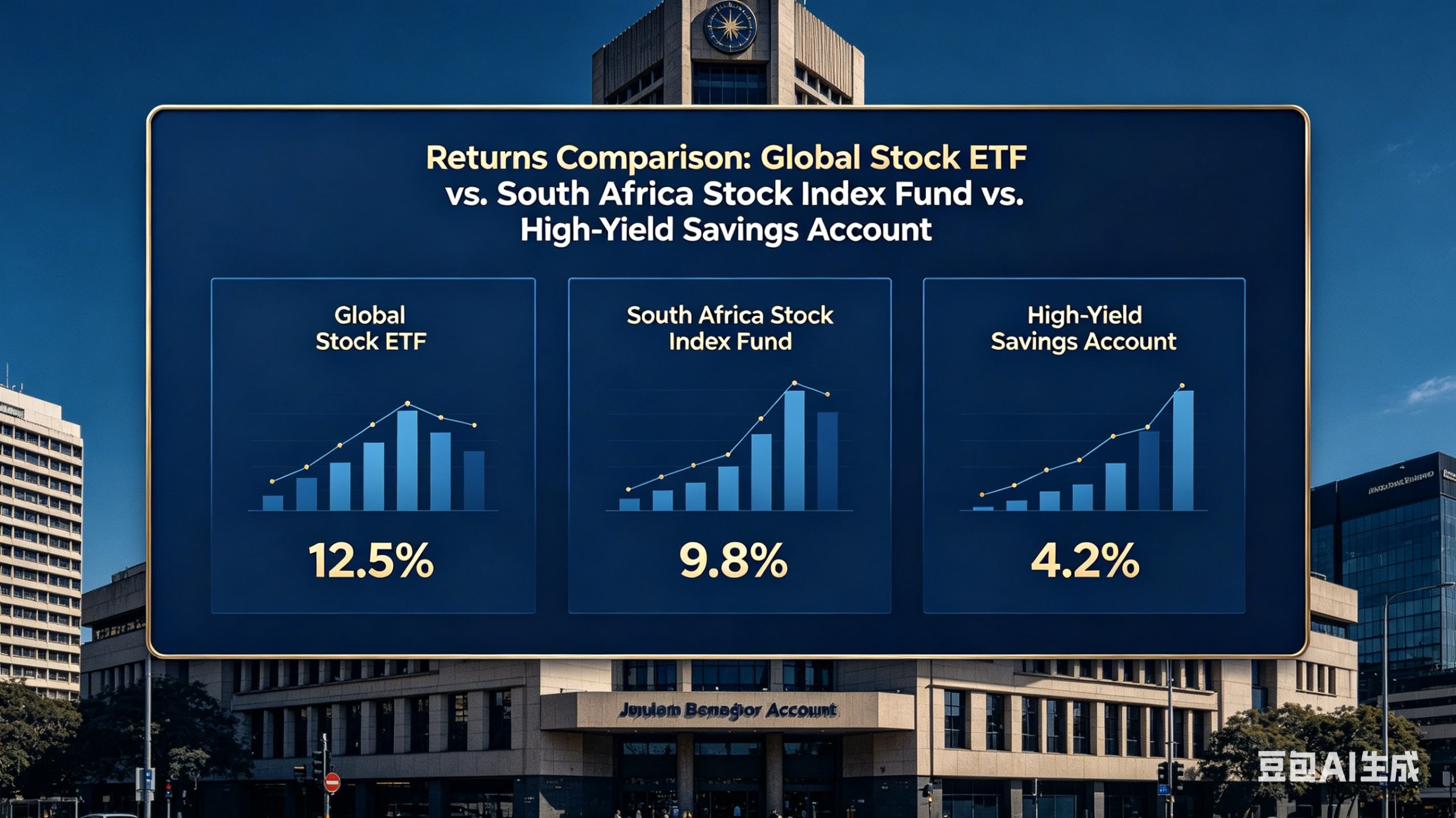
Historical long‑term returns for global equities are around 9‑10% per year before inflation. Let’s use a conservative 8% per year to be safe.
| Period | Value (8% annual return) |
|---|---|
| After 10 years | ~R2,158,000 |
| After 20 years | ~R4,661,000 |
How does that compare with the rental property?
| Investment | 10‑year estimated value | Monthly cash flow during the period |
|---|---|---|
| Rental property (R1m cash) | R2.3 – R2.45 million | R6,800 (net, may increase with rent) |
| Global ETF (8% p.a.) | R2.16 million | Zero (unless you sell shares) |
Advantages of the global ETF path:
- ✅ Highly liquid – you can sell any time and get cash in days
- ✅ Diversified across countries, industries and currencies
- ✅ No tenant headaches, no maintenance calls, no levies
- ✅ Very low costs (often 0.1‑0.3% per year)
Disadvantages:
- ❌ Prices go up and down – you could lose 20‑30% in a bad year
- ❌ No regular monthly income unless you sell units
- ❌ Your money is not tangible – some people find that unsettling
- ❌ Currency risk (if the rand strengthens, your offshore value falls)
3. The 10‑Year Gap: What the Numbers Actually Look Like
Let’s put the two strategies side by side, using realistic, conservative assumptions.
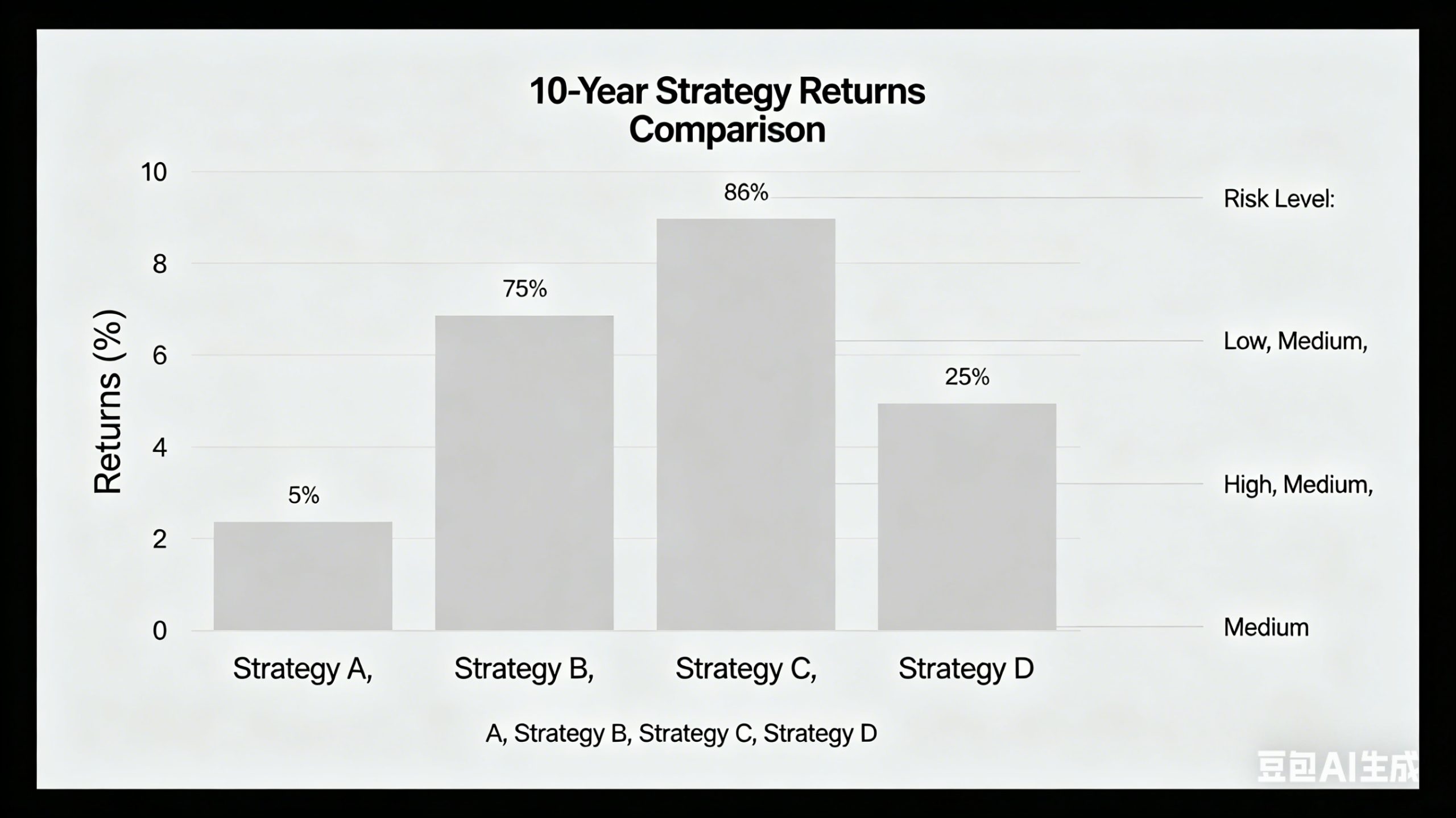
| Strategy | 10‑year estimated value | Monthly cash flow (average) | Risk level |
|---|---|---|---|
| Rental property (cash purchase) | R2.3 – R2.45 million | ~R6,800 (net) | Medium (tenant, maintenance, market) |
| Global ETF (8% p.a.) | ~R2.16 million | Zero (unless sold) | Medium‑high (price volatility) |
The rental property may give you a slightly higher total return plus steady monthly cash. But the ETF gives you complete flexibility – you can sell any time and you don’t have to worry about fixing a leaking geyser at 2am.
📊 What history says: Over any 20‑year period, global equities have never lost money. Property has also been strong, but returns vary hugely by location. The right choice depends on your personal needs.
4. Six Real Factors That Should Drive Your Decision
Forget generic advice. Your personal situation determines which choice is better.
① Do you need monthly cash flow now?
If you want extra money every month to cover living costs, the rental property is better. It puts R6,000‑7,000 in your pocket. The ETF gives you nothing unless you sell.
② How do you feel about risk and hassle?
If the thought of a tenant calling about a broken stove stresses you out, go with ETFs. If you enjoy managing an asset and don’t mind the occasional call, property can be rewarding.
③ What’s your time horizon?
- Short term (0‑5 years): property is less liquid – selling can take months. ETFs are better.
- Long term (10+ years): both are good, but property’s cash flow can be very attractive.
④ Do you want diversification?
A single rental property is a concentrated bet on one street, one city, one tenant market. An ETF spreads your risk across thousands of companies worldwide.
⑤ South African tax considerations
| Income type | How it’s taxed |
|---|---|
| Rental income | Added to your taxable income, taxed at marginal rate (18‑45%) |
| Capital gain from selling property | 40% of gain added to taxable income; annual R40,000 exemption |
| ETF dividends & gains | Same as above, but no transfer duty or estate agent fees |
⑥ Can you use a mortgage to do both?
You don’t have to choose just one. Many investors put R300,000 down on a rental property (using a bond for the rest) and invest the other R700,000 in global ETFs. That way you get some cash flow while keeping liquidity and diversification.
5. Three Typical Investor Profiles – Which One Are You?
| Profile | Recommended split | Reasoning |
|---|---|---|
| Young professional, wants growth | 80% global ETF / 20% property | Maximise compounding, high tolerance for volatility |
| Needs monthly income (e.g. semi‑retired) | 80% rental property / 20% ETFs | Regular cash flow covers expenses |
| Balanced, moderate risk | 50% property / 50% ETFs | Best of both worlds – cash flow + liquidity |

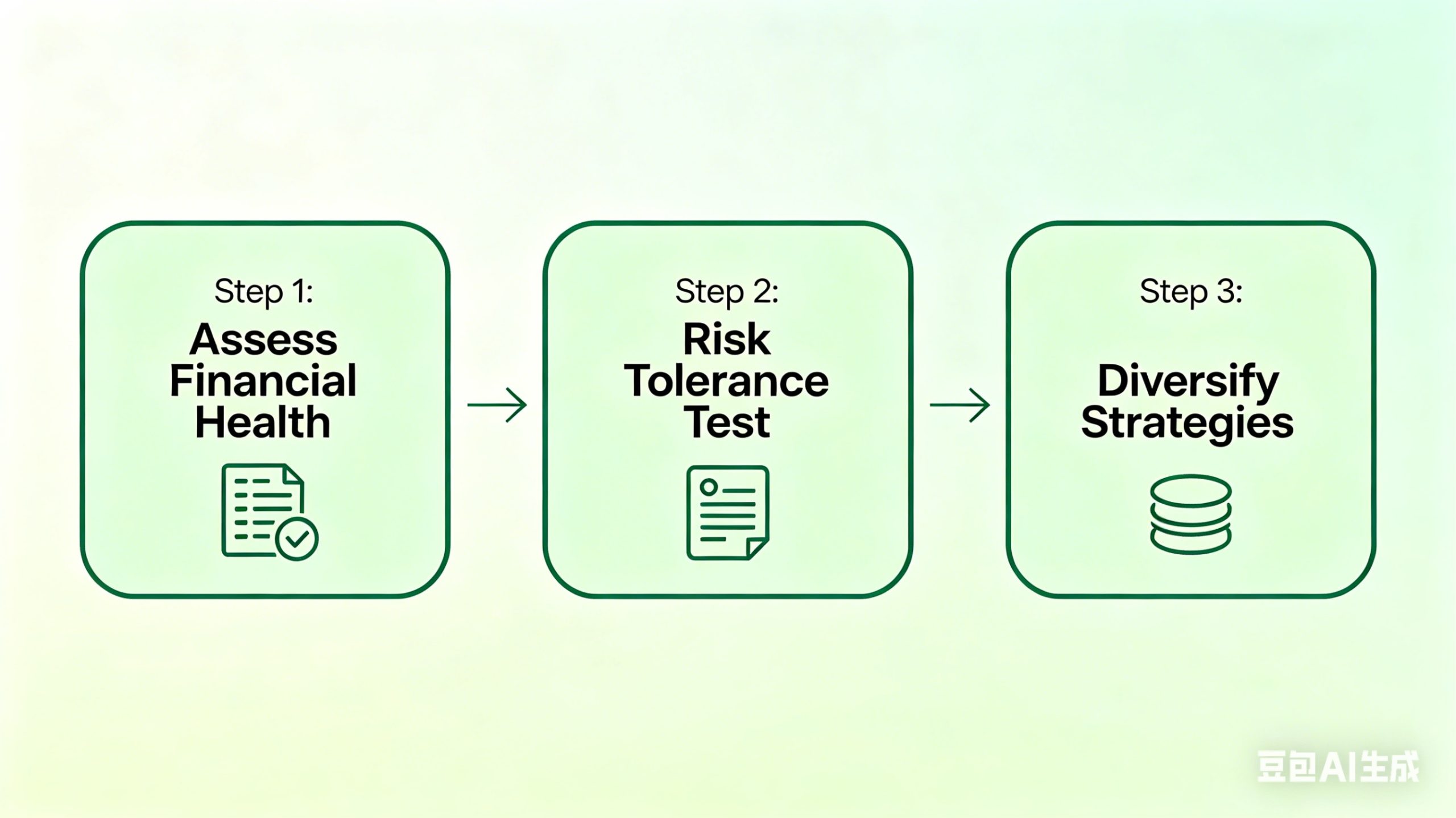
6. A Simple Three‑Step Plan for Your R1 Million
Step 1 – Check your emergency fund
Before investing anything, make sure you have 6‑12 months of living costs in a high‑interest savings account (R100,000 – R200,000).
Step 2 – Decide on your cash flow needs
Ask yourself: “Do I need extra money every month, or can I let the investment grow untouched for years?” Answer honestly.
Step 3 – Split, don’t go all‑in
A typical balanced approach:
- 🏠 R400,000 – deposit on a buy‑to‑let apartment (finance the rest with a bond)
- 📈 R400,000 – global equity ETF (flexible growth)
- 🏦 R200,000 – high‑yield savings (emergency fund/opportunity fund)
This way you get monthly rental income, long‑term stock market growth, and cash for unexpected needs.
7. Final Takeaway: There’s No Single Right Answer
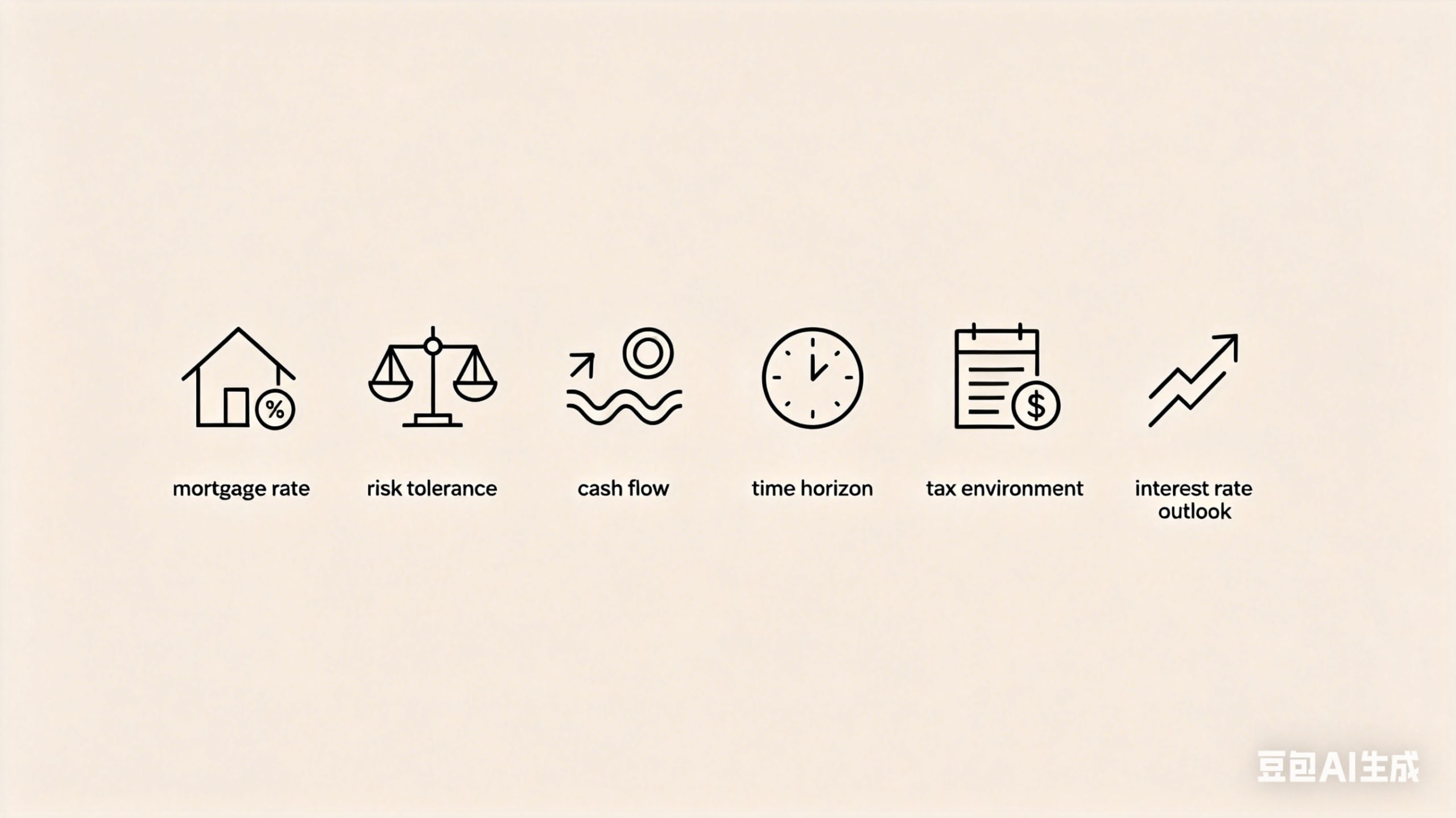
Buying a rental property and investing in global markets are both proven ways to grow your wealth. The best choice for you depends on:
- Whether you want monthly cash flow now
- How much hassle and risk you can tolerate
- Your time horizon
- Your need for liquidity (cash at short notice)
The most successful investors don’t ask “which one is better?” – they ask “which mix works for my life?”
Take 30 minutes to read through the numbers. Look at the property yields in your preferred area. Check the long‑term returns of a global ETF. Then make your own decision, with your eyes open.
8. Final Takeaway: Personal Finance is Personal
Paying down debt and investing are not enemies. They are different tools in your financial toolbox.
- Choose prepaying if your priority is reducing fixed monthly costs, lowering risk, and you value certainty over higher possible returns.
- Choose investing if you have a long time horizon, can tolerate short‑term market drops, and want to harness the power of compound growth.
The South African rand slowly loses purchasing power over time. Historically, productive assets like equities have been the only reliable way to stay ahead of inflation – but no asset class goes up every year. The right decision is the one that lets you sleep well at night while still moving you toward your financial goals.